Outward Bound USA Home
Our Approach
At Cathleen Stone Island Outward Bound School, learning happens on the trail, on the water, and through real challenges that push students to discover what they’re capable of.



At Cathleen Stone Island Outward Bound School, learning happens on the trail, on the water, and through real challenges that push students to discover what they’re capable of.
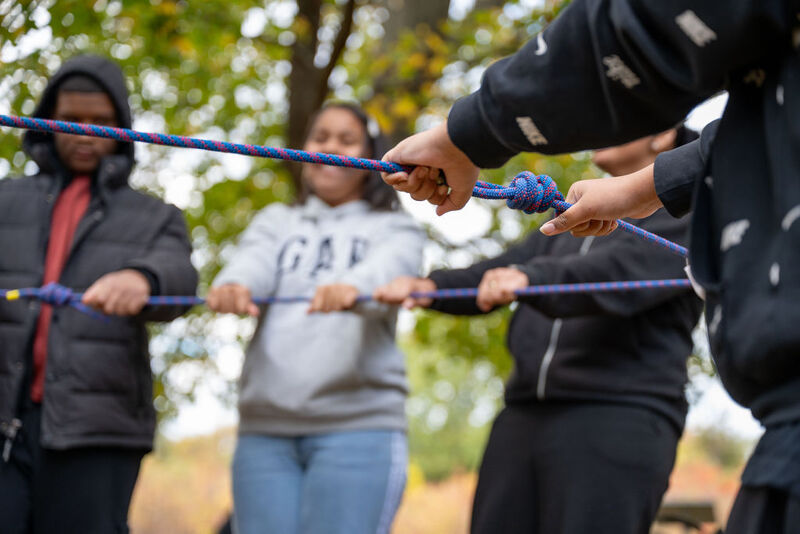
By combining Outward Bound’s proven social-emotional learning model with hands-on environmental science and climate resilience education, our outdoor education programs help students build the confidence, teamwork, and problem-solving skills they need to thrive in school, careers, and a rapidly changing world.
Young people learn best when learning feels real.
Our programs place students in dynamic outdoor environments where they must work together, solve problems, and navigate challenges as a team. These experiences create powerful opportunities for students to build confidence, resiliency, empathy, and leadership.
This approach is rooted in the educational philosophy of Outward Bound, a global movement founded on the belief that meaningful challenges in nature can help people discover their strength and potential.
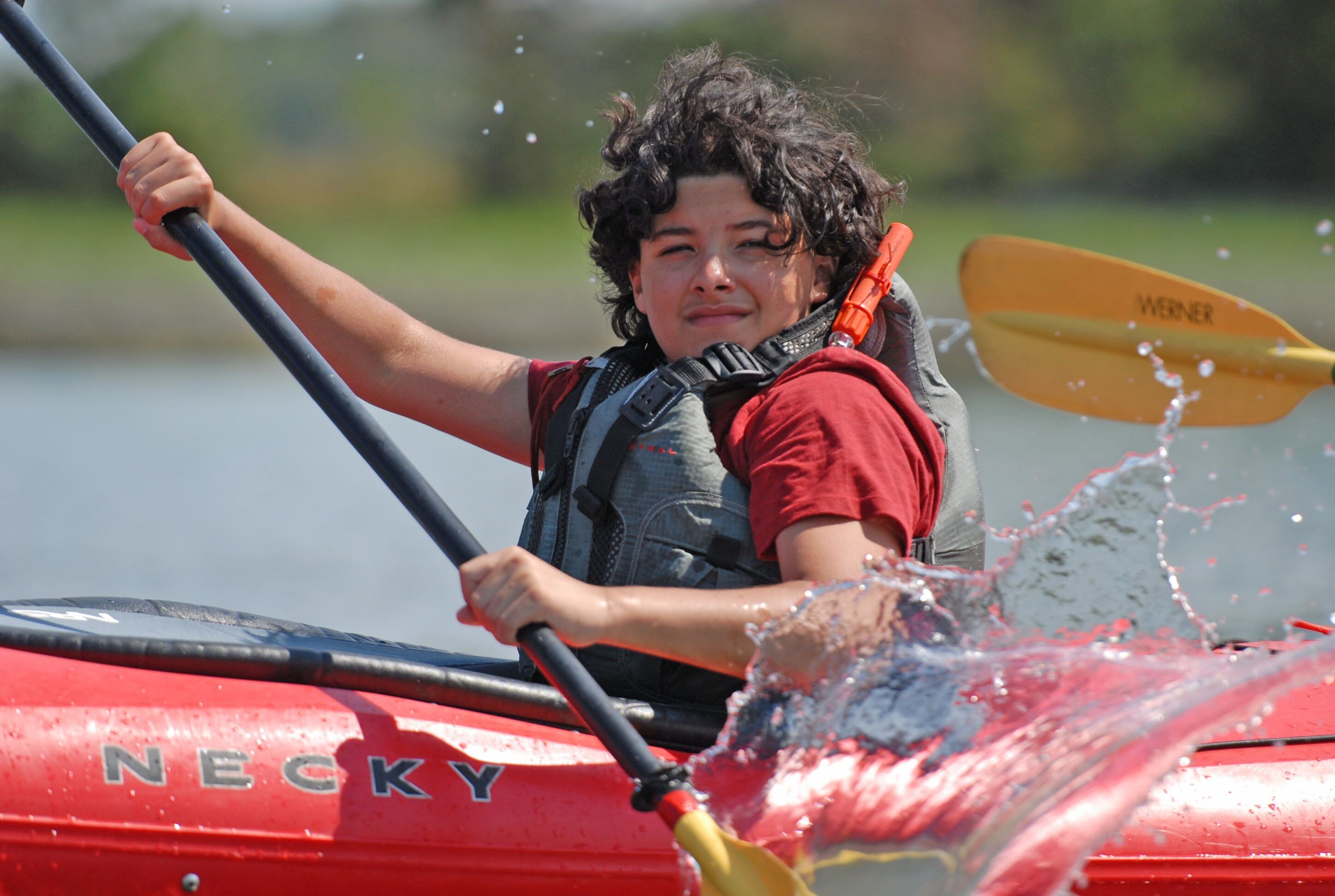
At Cathleen Stone Island Outward Bound School, we take this model even further by integrating environmental science and climate resiliency education directly into the experience.
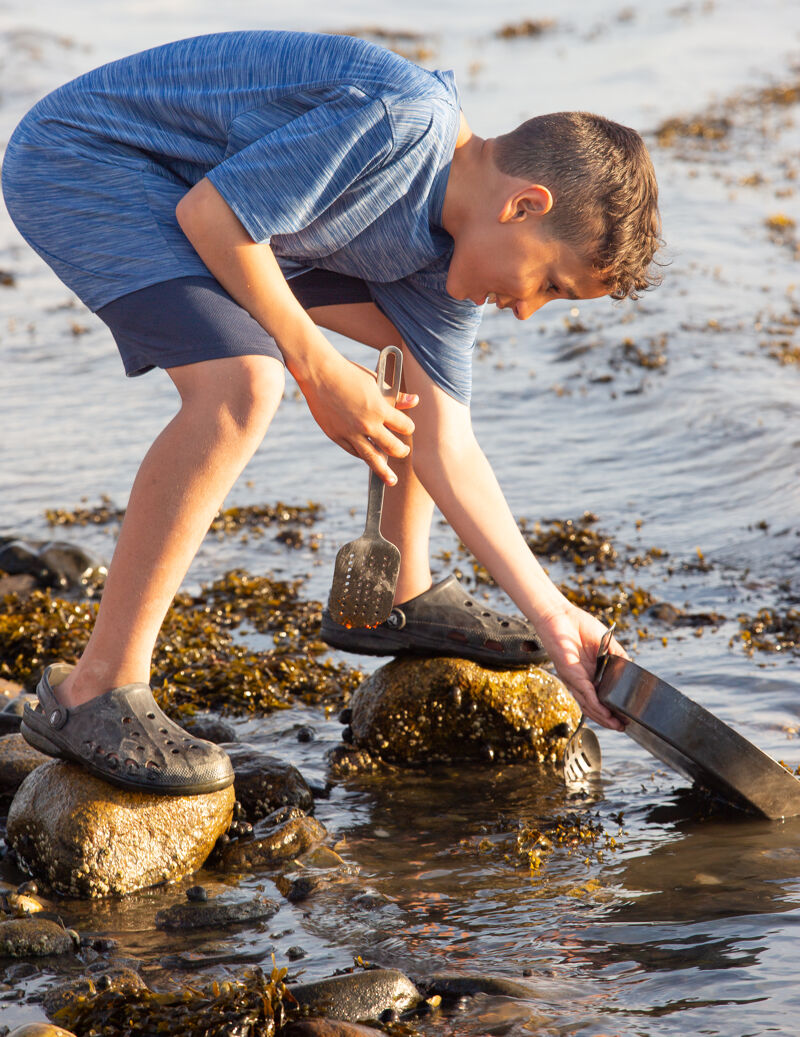
Students explore forests, salt marshes, and coastal ecosystems while learning how communities can respond to shifting climate to create environmental resiliency. Through hands-on exploration and teamwork, environmental challenges become opportunities to build critical thinking, collaboration, and leadership skills.
This kind of learning matters more than ever.
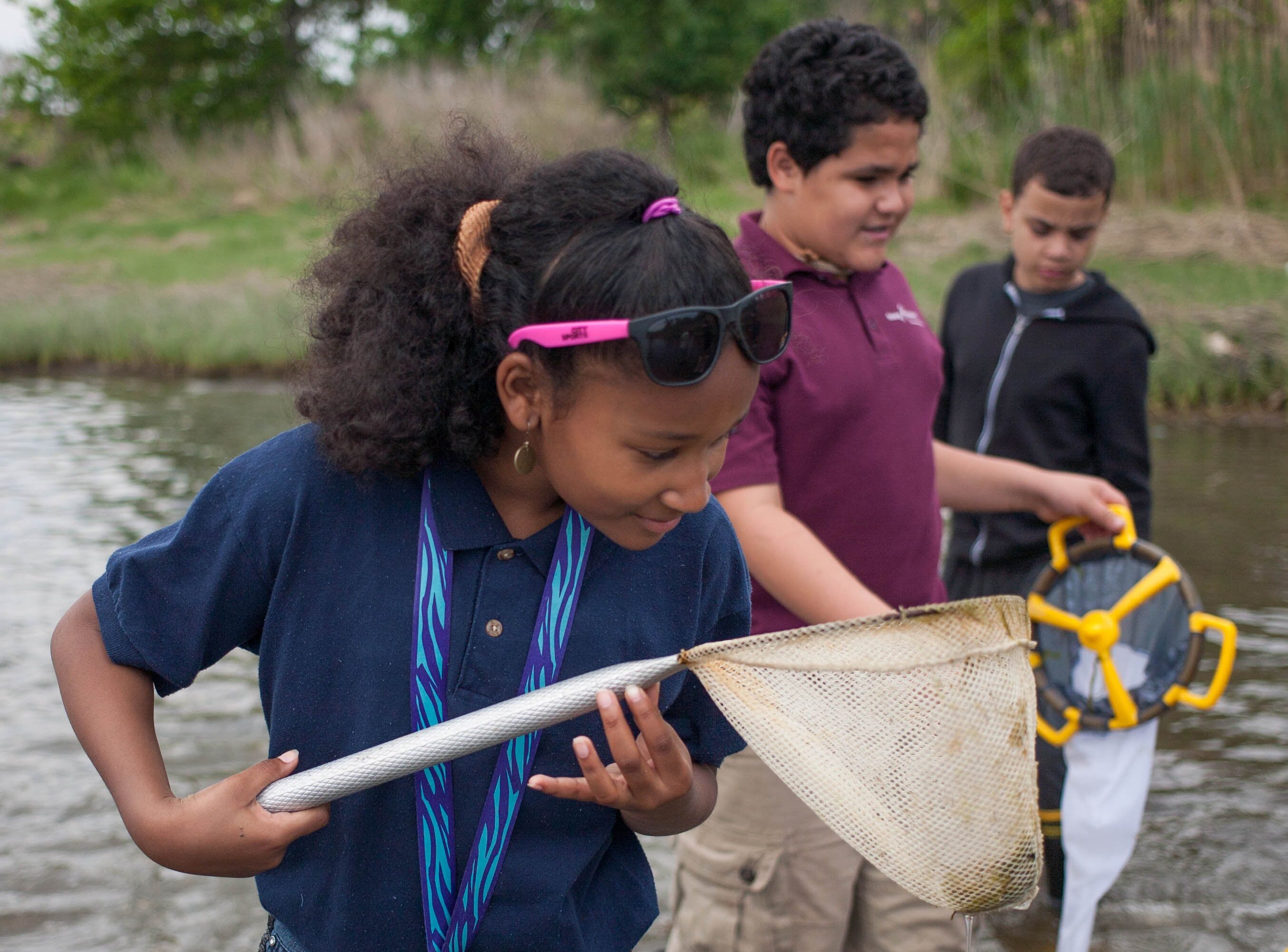
Employers and educators increasingly emphasize the importance of 21st-century workforce skills such as adaptability, communication, collaboration, and problem-solving. At the same time, the growing green economy requires a new generation of leaders who understand environmental systems and feel empowered to protect them.
By learning in nature, students build stronger relationships, deeper self-confidence, and a greater sense of responsibility for the communities and ecosystems they are part of.
Our programs are built around four core elements that help students grow academically, socially, and personally.
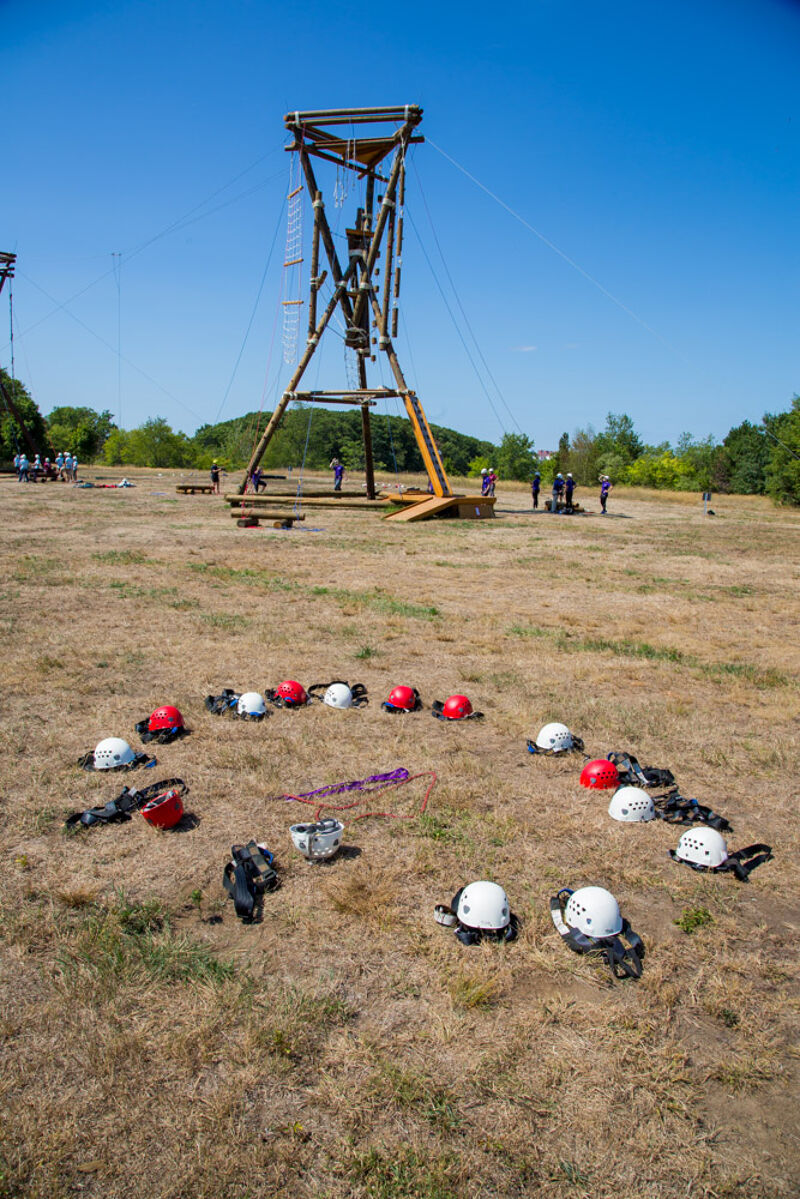
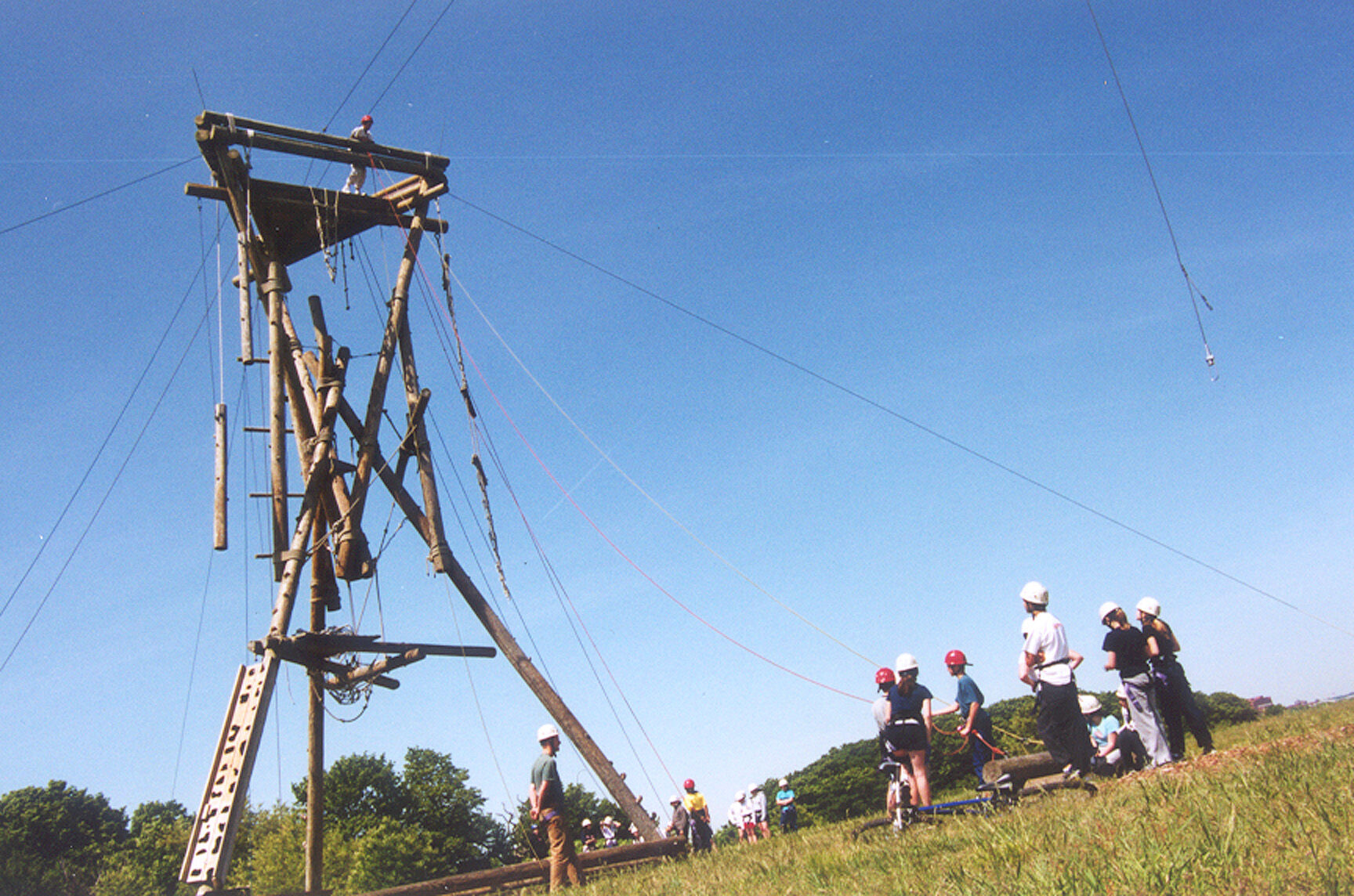
 Students step outside their comfort zones through meaningful challenges—whether climbing, navigating, or solving complex group problems. Skilled instructors create a supportive environment where every student feels safe to try, fail, and try again. These experiences build confidence, resilience, and a belief in one’s own capability.

Rather than simply hearing about concepts, students experience them firsthand. They collaborate with peers, make decisions, and reflect on what they learn along the way. This experiential learning approach strengthens critical thinking, communication, and problem-solving skills essential for success in school and future careers.

Outward Bound programs emphasize the power of working together. Students learn to listen to others, support teammates, and recognize the value of diverse perspectives. These shared challenges build empathy, trust, and leadership skills that extend far beyond the island.
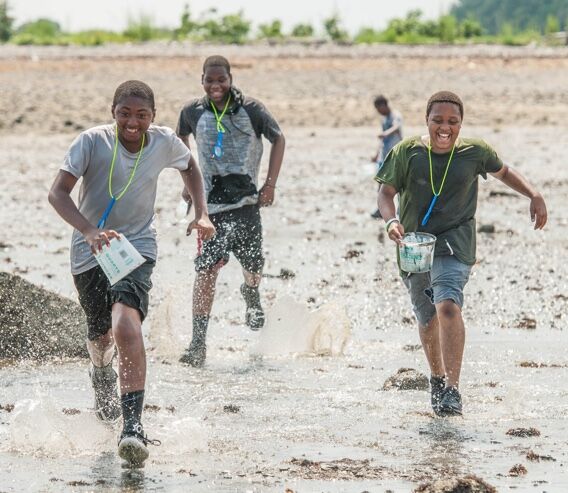
Our island campus in Boston Harbor offers a powerful setting for exploration and discovery. By learning outdoors, students develop a deeper relationship with the environment while building a sense of responsibility to care for the natural systems that sustain our communities.
At the heart of our programs is a framework developed by Outward Bound called the Domains of Thriving.
Rather than focusing only on academic learning, the Domains of Thriving describe the key areas of development that help young people succeed in school, relationships, and life.
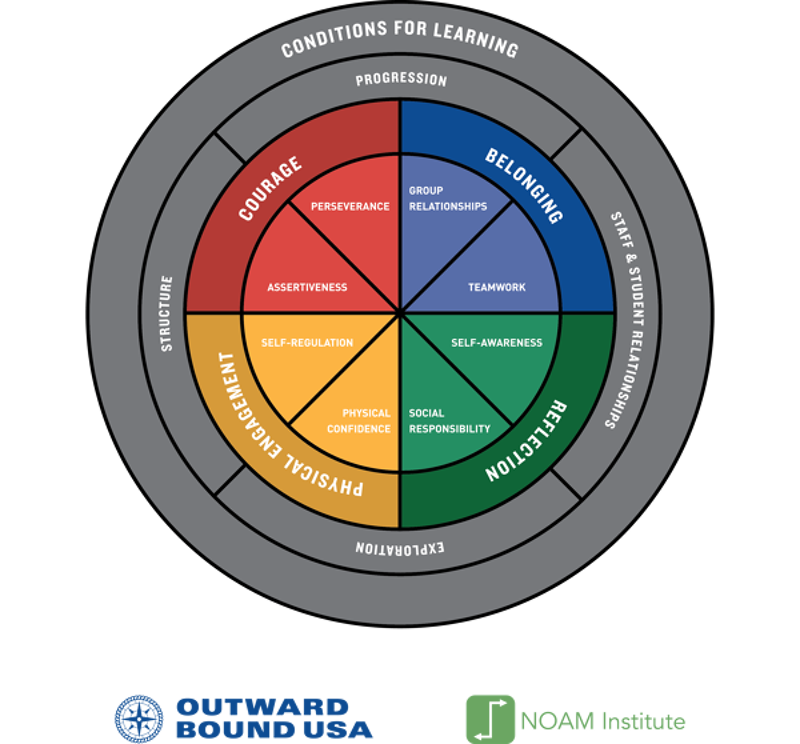
Through challenging and supportive outdoor experiences, students grow in areas such as:
Physical Engagement
Students discover they are capable of more than they thought possible.
Courage
Facing challenges teaches students how to keep going when things feel difficult.
Belonging
Working together helps students understand different perspectives and build stronger relationships.
Reflection
Students practice decision-making, support their peers, and take ownership of shared goals.
Together, these experiences help students develop the skills and mindset they need not just to succeed—but to thrive.
Cathleen Stone Island is one of the largest, most accessible and ecologically diverse islands in the Boston Harbor Islands National and State Park. Across 204-acres of undeveloped property, the island is home to mature forests, meadows, freshwater and marine wetlands, salt marshes and a variety of important geological features. Beyond the natural world and campsites, amenities include a formal school campus complete with dormitories, dining hall, classrooms, lab space, auditoriums, gymnasium, outdoor challenge courses and climbing towers.

Cathleen Stone Island Outward Bound hires an extremely qualified and mature staff of college graduates, teachers, social workers and outdoor professionals who are dedicated to working with students. Our instructors are extensively background-checked (including CORI and SORI screening), are required to hold Wilderness Medicine and CPR/AED certifications, and participate in an intensive staff training each season of employment. The staff to student ratio is low (typically 6:1) and students always remain 100% within sight and sound of instructors.

Outward Bound nationally pioneered the safety management processes and procedures that have become the model for the experiential education industry. Our safety policy includes national and unit standards that guide all program activity, participant screening and staff hiring, as well as instructor manuals with detailed safety requirements, unit safety directors, safety committees, safety reviews and annual safety reports. Our instructors receive regular intensive training and are certified in Wilderness First Aid, as a Wilderness First Responder, or as a Wilderness Emergency Medical Technician.