CB18 Banner 3

Essential Eligibility Criteria

for Wilderness-Based Courses

The image shows a scenic mountain landscape with lush green vegetation in the foreground. Rolling hills and mountains fade into the distance, creating a sense of depth. The lighting suggests it's either sunrise or sunset, casting a warm glow over the scene. The overall impression is one of natural beauty and tranquility.
CB11 Scrolling Bullets

Creating a Positive Learning Environment

The health, safety, and educational quality of our courses are top priorities. To achieve group goals, all participants must be capable of and committed to learning wilderness skills, meeting physical and social challenges, and caring for themselves and others.

NCOBS values diversity and a positive learning environment, but does not specialize in experiences for people with disabilities or with significant mental challenges. Students must be capable of actively participating in the care and safety of themselves and their crew consistently in remote and challenging settings. NCOBS instructors are not therapists and are not trained in adaptive wilderness or integrative teaching skills.

A qualified participant is one who can meet the Essential Eligibility Criteria (EEC) for participation in all program activities. The following EEC applies to all courses.

CB13 Repeatable Callout

Learn Through Experience

Students must be able to:

  • Perceive and understand instructions and follow such instructions whether supervised or not.
  • Stay alert, focused, and engaged for several hours at a time for instruction, wilderness travel, and wilderness living activities.
  • Work effectively as a member of a team despite potentially stressful and difficult conditions. This may require flexibility and the ability to compromise on an interpersonal or group level.
  • Independently recall and understand hazards and safety concerns when explained, and adhere to the safety policies and procedures even when instructors are not present.
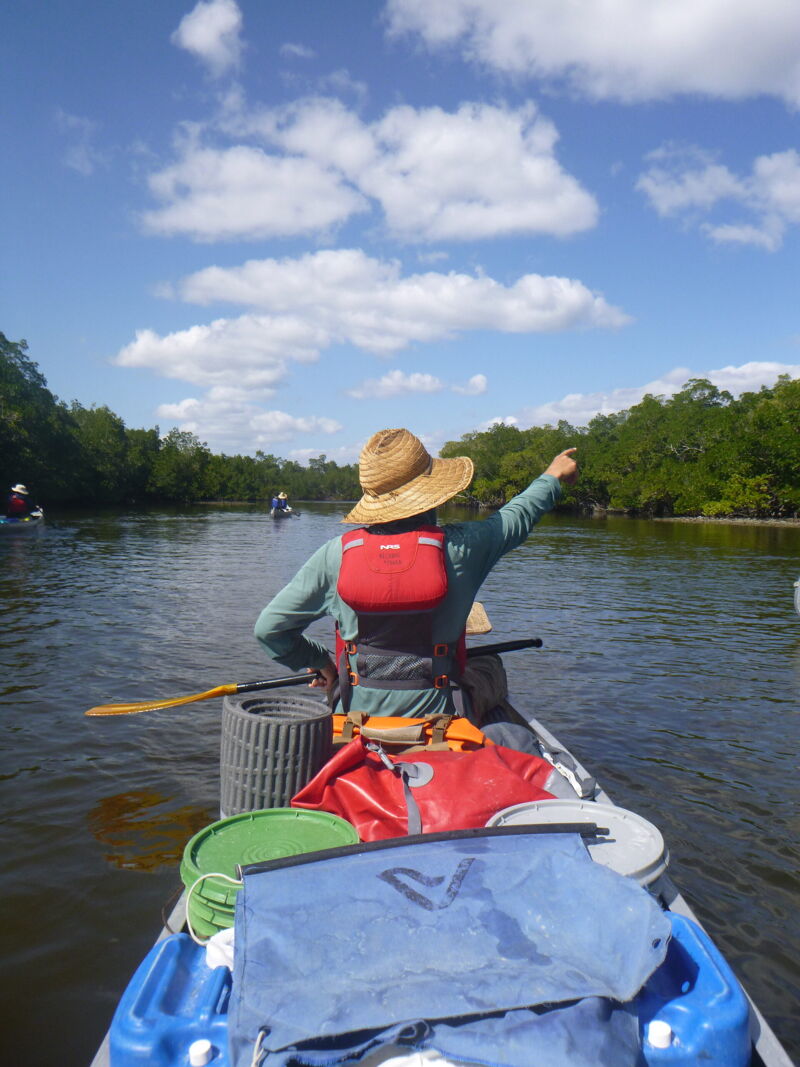
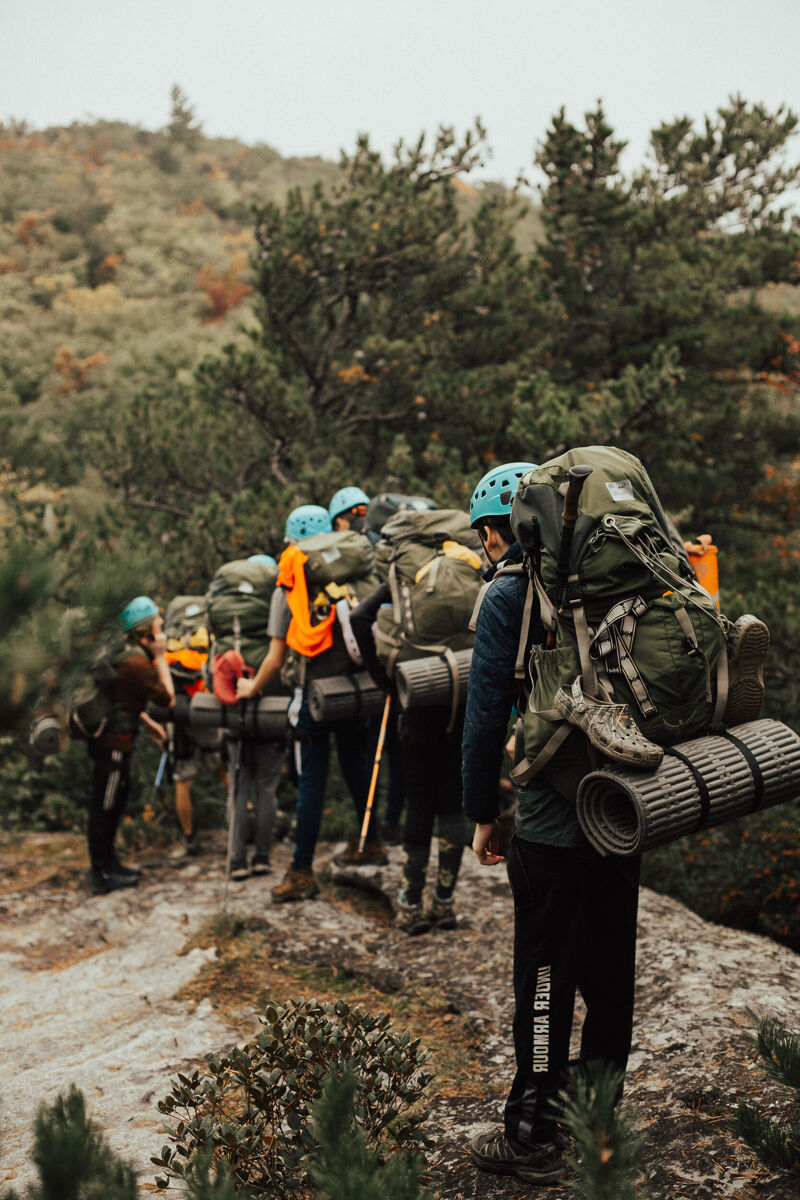
Adventure and Challenge

Students must be able to:

  • Adapt to the physical, emotional, and social demands of the expedition — traveling each day, sleeping on the ground, living and working 24/7 with others; able to be flexible in ways of living.
  • Identify and recognize hazards posed by the environment (e.g. steep or uneven terrain, moving water, sun, wind, cold, etc.) and hazards to the judgement and decision-making of all persons on course (e.g. fatigue, confusion, emotional state, etc.).
  • Effectively communicate to others personal distress, injury, medical and/or mental health issues, or the need for assistance.
  • Recognize and effectively communicate to others potential or impending hazards such as falling rocks, aggressive animals, fire, etc.

Supportive Crew

Students must be able to:

  • Learn and perform essential self-care, including dressing appropriately for protection from environmental conditions (such as sun, rain, cold, etc.), maintaining adequate hydration, nutrition, and personal hygiene, and managing any known medical conditions for the duration of course, often more than a day from advanced medical care.
  • Refrain from self-injurious behaviors, violence, threats, and aggressive or intimidating outbursts.
  • Refrain from the use of alcohol, nicotine, controlled substances, and any misuse of prescription or over-the-counter drugs. If over 18 and using prescription drugs, able to follow correct dosage and usage and keep them in good condition in the backcountry setting between resupplies (up to ten days).
  • Contribute to a safe social and learning environment and maintain appropriate relationships with other group members and instructors, including refraining from sexual activity, harassment, bullying, and all other behavior that disrupts the learning of others or the cohesion of the group.
  • Be respectful of the various identities (such as race, ethnicity, sex, gender, sexual orientation, religion, ability, and nationality) of others; refrain from behavior that is discriminatory to other’s identities, socially exclusive behavior, and language that is derogatory or harmful to others.
CB17 FAQs

Activity-Specific Requirements

North Carolina Outward Bound School wilderness courses range from four- to 72- days. Our wilderness environments are challenging, remote, and exposed.

Each activity has individual eligibility requirements:

Backpacking

+ -

Participants must be able to:

  • Carry a backpack weighing up to 45% of body weight, that will include personal clothing, group food, and equipment.
  • Travel each day wearing a loaded backpack over steep and uneven terrain, on and off trail, including sections of scrambling (three or four points of contact required), and crossing rivers and streams that do not have bridges. Travel length may exceed six hours, six miles, and an elevation gain or loss of 1500 feet, and may occur during inclement weather, nighttime hours, and occur on up to 10 consecutive days.

Canoeing or Sea Kayaking

+ -

Participants must be able to:

  • Correctly wear all required safety gear, such as a Personal Flotation Device (PFD or “life jacket”), spray skirt, helmet, and footwear.
  • Exit a capsized boat (“wet exit”), hold their breath underwater, attain and maintain a face up position in water while wearing a PFD, and while wearing a PFD make progress through the water to shore or a rescue boat.
  • For courses including canoeing: Able to sit and kneel in a canoe and maintain stability.
  • For courses including kayaking: Able to sit in a kayak and maintain stability.
  • Control a paddle and pull it through the water to steer and move the canoe/kayak forward.
  • Re-enter a canoe/kayak from the water with minimal assistance from others.
  • Travel over uneven terrain on and off trail (to move boats on shore and move around primitive campsites).

Rock Climbing/Challenge Courses

+ -

Participants must be able to:

  • Wear a climbing harness and helmet correctly.
  • Firmly grip and manipulate both ropes and carabiners, grasp the rock face or ropes course structure, and negotiate upwards on a climb.

Mountaineering and Ice Climbing

+ -

Participants must be able to:

  • Meet all rock climbing and backpacking essential eligibility requirements.
  • Wear all required safety gear, such as a harness, helmet, mountaineering boots, snow goggles, crampons, ice axe/tool, etc.
  • Effectively communicate independently over distances of up to 50 meters when participating in mountaineering or glacier travel.
  • Learn and perform a self-arrest with an ice axe on snow.

Sign Up for Our Newsletter

+ -
