
 Outward Bound USA Home
Intercept
Disconnect to reconnect. Your crew is here for you.





Intercept Courses
Growth can be tough, we get it – but it’s worth it! And when it comes to doing hard things, having a good crew matters. That’s why we built Intercept, so we can take the first steps together. Outward Bound’s Intercept program is for families with teens who are facing challenging circumstances and need a reset.
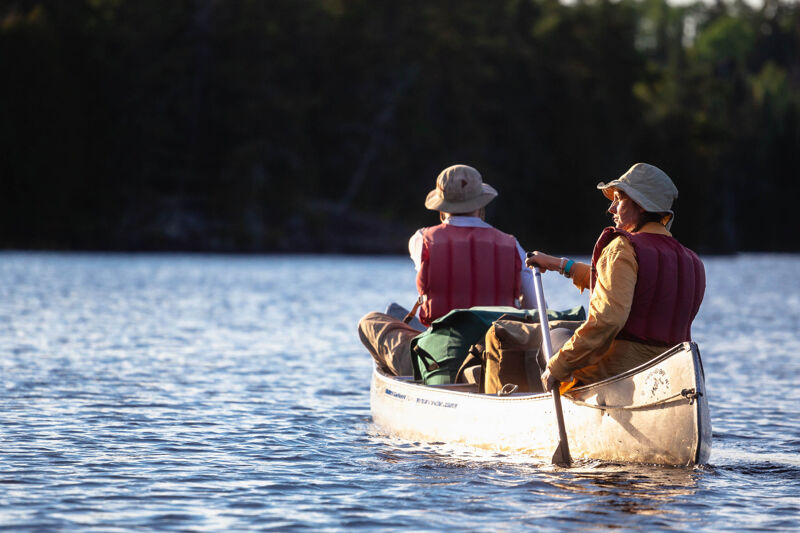
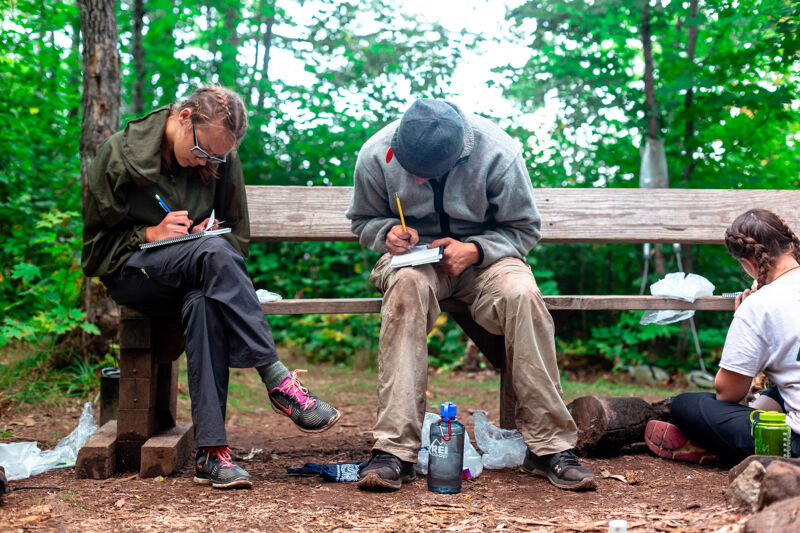
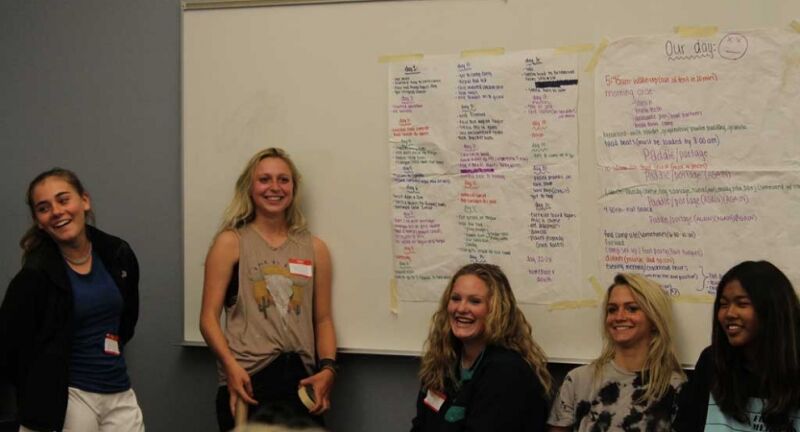
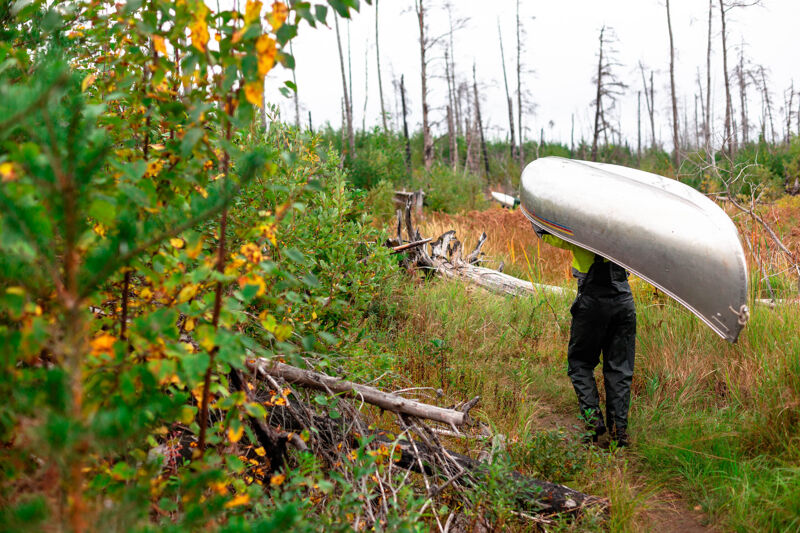
For students, these expeditions are specifically designed to help you disrupt your routines; have fun; make friends; and to discover tools to help you communicate, make positive decisions, and strengthen your relationships, both on course and when you get home. We’ll help you develop and practice these skills during exciting adventures where teamwork and your individual strengths will contribute to the success of your crew. This is where you can explore the edges of your comfort zone to discover there is more in you than you know.
/2026/Boundary Waters Intercept Semester Canoe & Backpack/Course life1_CB_31.JPG?w=800)

Increase confidence
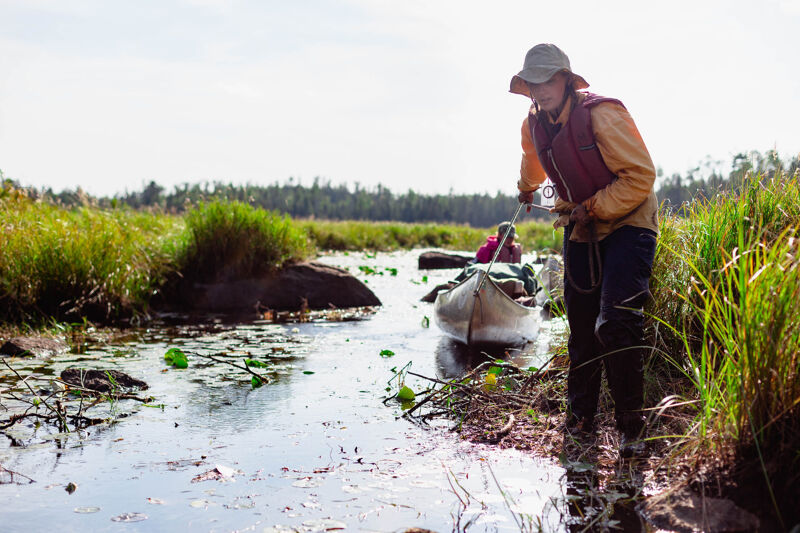
Unplug from Technology

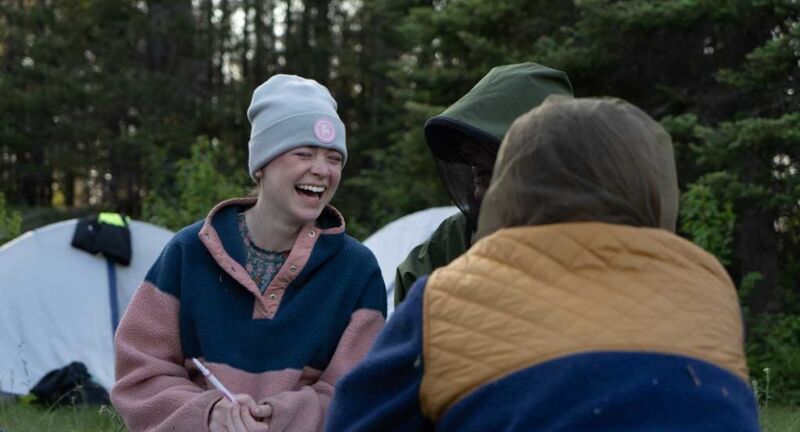
Feel a sense of belonging
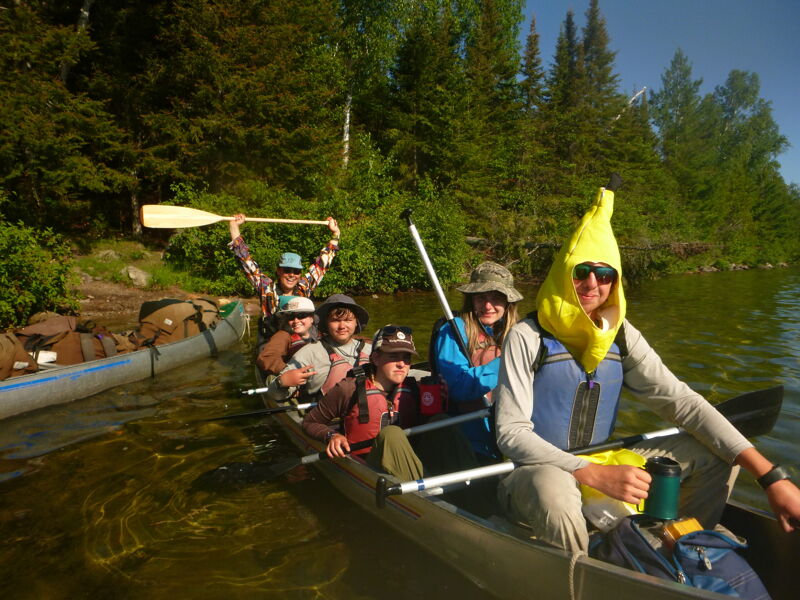
Have Fun!
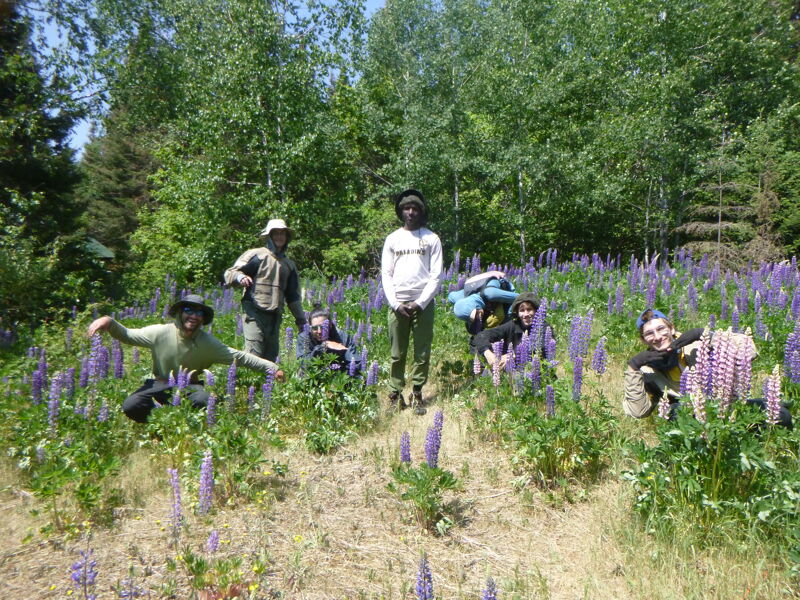
Develop decision-making skills
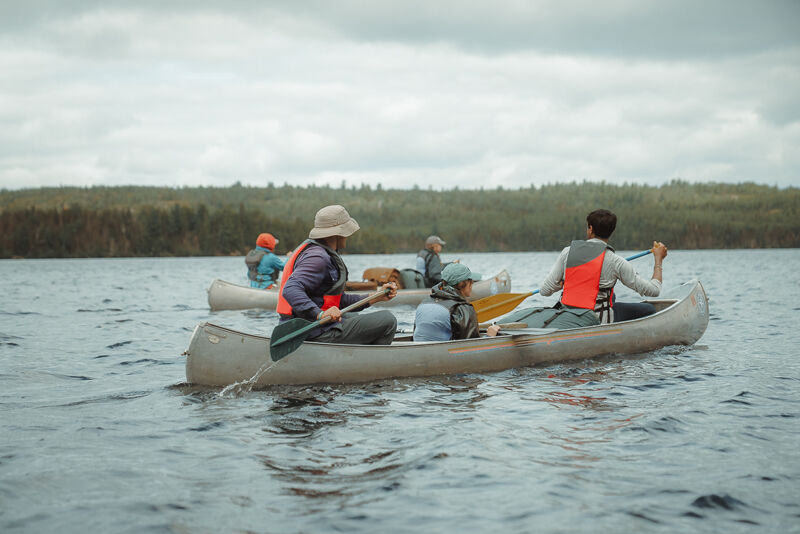
Learn to Balance freedom with responsibility
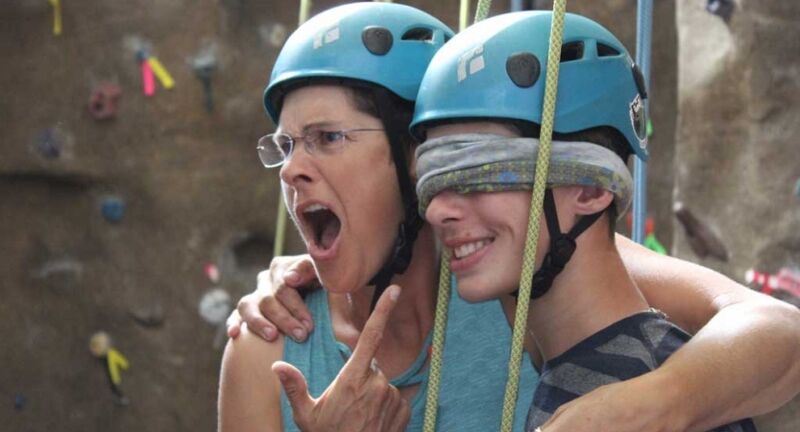
Provide family resources
Cultivate communication skills
Build life skills

Strengthen interpersonal relationships
What are the differences between an Intercept course and a classic Outward Bound course?
Families tend to find Outward Bound’s Intercept Program when looking to redirect their child before risky behaviors lead to severe, negative life consequences. Some risky or problem behaviors parents often describe include: poor performance at school, lack of motivation, poor decision making, over/misuse of technology, conflict within the family, promiscuity, and/or experimentation with drugs and alcohol.
Being a teen/young adult today is not easy and most young people will probably struggle at some point as they transition to adulthood. So, at what point should you choose the Intercept program over a Classic Outward Bound course? There are three main ways that the Voyageur Outward Bound School assesses an applicant’s appropriateness for an Intercept course vs. a Classic course: the applicant’s motivation to participate, the family’s desired outcomes and the parent’s willingness/ability to be involved throughout the program along with their child.
It sounds like my teen is an Intercept applicant. Why should I choose an Outward Bound Intercept program over a different therapeutic program?
Outward Bound’s Intercept program is not a Wilderness Therapy program. Our Instructors are not licensed therapists or psychiatrists. An Outward Bound course is an adventure, an incredibly unique life-experience, and it should be fun. An Outward Bound Intercept course is not a punishment, it’s an opportunity, and while some teens/young adults do not understand this in the beginning, many alumni appreciate their courses for being “life-changing” in the end.
Intercept courses are designed for students who lack motivation, battle low self-esteem, become easily frustrated, have difficulty communicating, demonstrate poor decision making skills and have difficulty connecting their actions with consequences. Outward Bound Intercept courses provide a rite-of-passage type experience that guides students to better understand how their actions affect their relationships and equips them with tools to more gracefully navigate greater adulthood responsibilities.
Outward Bound’s Intercept courses are not appropriate for those with histories of chemical dependency, violent behaviors or some psychiatric conditions.
How are parents/guardians involved in the Intercept program? Who should attend the family seminar at the end of the course?
A 3-day Family Seminar is held at the end of every Intercept course. Participation of at least one parent or guardian is required. All parents and guardians are strongly encouraged to participate in the Seminar, in order to build an effective bridge between the Outward Bound experience and home. The family seminar is vital to the framework and conclusion of the Intercept program.
During the first day of the Family Seminar, parents participate in lectures, interactive lessons and discussions, and in-depth conversations with one of their child’s Outward Bound Instructors. The purpose of the first day is to equip parents with a better understanding of their child’s Outward Bound experience, where they struggled and thrived, what progress they made, and how they may struggle after transitioning home. By the end of the day, parents will have also learned the same communication and decision making lessons that the Instructors taught their child during the expedition, giving families a common vocabulary to use the following day. Students do not participate in the first day of the seminar; they will be engaged in service projects that day.
On the second day the parents meet for a session with each other facilitated by the Course Director and Intercept Associate Program Director. Afterwards the student group gives a short presentation about their experience. Individual family conferences are scheduled throughout the afternoon and each family connect to have a conversation facilitated by one of their Instructors. Families reconnect and make a plan for the student’s transition home.
The Family Seminar culminates with a final parent session on the morning of the third day. Students and families travel home together after the end of the seminar.
What can we expect upon completion of our Intercept course?
Intercept courses are designed to promote improved communication, increase students’ sense of self-efficacy, connect actions with consequences, and equip students with the tools that can help them navigate their lives with a greater sense of responsibility and self respect. Our goal is to create a clear and thoughtful transition plan during the Family Conference that helps each family member commit to a set of agreements that will guide actions and behaviors in the future.
However, we know that every individual, every family and every set of circumstances is unique. Challenges are not likely to magically dissipate after a few weeks in the wilderness. It takes hard work, and in families, this hard work means that every family member must commit to continuing to grow, learn and make changes for the better. It’s not always easy, and it’s not always possible without support.
Do I need to travel with my child to drop them off?
Parents/guardians are more than welcome to travel with their child to the course start location. Some students are comfortable traveling on their own, and others can benefit from having a parent there. Parents can wait at the airport with their student until everyone arrives, at which point the group will leave to begin their expedition.
What are the general payment terms and conditions for Intercept courses?
Outward Bound’s general payment terms and conditions for Intercept courses are based on our investment in planning, staffing and delivering our courses. These expenses are not recoverable, therefore penalties may apply.
Enrollment Processing Fee
The Outward Bound application process is extensive in order to best ensure that students are appropriate and prepared for their Outward Bound experience. In order to reserve a spot, either through the website or over the phone, applicants are required to complete a short Health History Questionnaire and pay a $500 deposit that is applied toward the total cost of the course. This deposit includes a $150 non-refundable enrollment processing fee. At this time, a Voyageur Outward Bound School Course Advisor will contact the applicant and provide additional documents, including a more extensive Application to be completed within a specified time frame, typically two weeks. The applicant may also be required to return supplementary documents completed by their doctor, therapist or other reference. Upon receipt of the completed application, a Course Advisor will call/email to schedule a phone interview if s/he has any questions (both parent/guardian and student interviews are mandatory for Intercept expedition applicants). The whole process typically takes 2-3 weeks but can take longer if all pieces of the application are not returned in a timely manner.
Tuition
The total cost includes all tuition and fees for the course. Tuition covers the cost of food, instructors, permits, gear and equipment while on course. Not included in this total cost are personal expenses such as clothing, insurance (health and travel), airfare and baggage fees. Full payment is due 90 days before the course start date. Be prepared to pay the balance due at this time even if you have yet to submit your completed enrollment packet, or have yet to be cleared to participate on the course. If your payment is not received by the deadline, this may be considered a cancellation and you will risk losing your spot on the course and your $150 non-refundable Enrollment Processing Fee.
Tuition & Fees Refund Policy
In the event your enrollment packet is not cleared for participation on the course, Outward Bound will refund your payment for the course with the exception of the $150 non-refundable enrollment processing fee. The $150 enrollment processing fee can only be refunded if you formally decline a scholarship offer.
Cancellation Policy
Outward Bound cannot refund the cost of the course in the event that a student is unable to attend or complete the course due to an unexpected event, illness or injury. There are no penalties if a student cancels more than 90 days before the course-start date. With the exception of the $150 non-refundable enrollment processing fee, Outward Bound will refund $350 of the Deposit fee and 100% of the Tuition fee payment.
A graduated penalty system applies to cancellations less than 90 days before the course start date.
For cancellations between:
Good news—there are multiple ways to make Intercept more accessible.
Scholarships
We’re committed to increasing access to Intercept and reducing financial barriers for families. Scholarships are available for Intercept candidates, including dedicated funding for girls and young women who are ready for this experience. Click the button below to learn more about scholarship opportunities.
College Savings Plans
Most college savings plans, including 529 College Savings Plans, can be used to pay for Intercept. Click the button below to learn more about using college savings to cover program costs.
/2026/Boundary Waters – Intercept – Canoe/Hero 1.jpg?vh=34fadd?vh=34fadd&w=800)

Intercept Courses
For 60 years, Voyageur Outward Bound has helped young people develop skills for success. Our compassionate, experienced instructors help teens, young adults and families find healthier ways to interact with one another and their communities. Intercept supports students and families before, during, and after the expedition. Each Intercept program concludes with an intensive family conference and workshop to unpack the Intercept experience and apply its lessons to everyday life. Our Intercept students and their families walk away with a new outlook, new skills and plan for success.
At Outward Bound, our mission is to change lives through challenge and discovery. Intercept is the heart of this mission. Voyageur is the only Outward Bound school in the world that delivers Intercept, and we are proud to provide on-of-a-kind challenge and discovery program for future leaders and their families.
This information outlines the nice-to-haves, must-haves, and non-negotiables for participating in Intercept. Our goal is to set everyone up for success. We’ve found that thoughtful preparation leads to better outcomes.
Intercept is a life-changing program and is most effective when families, participants, and healthcare providers clearly understand eligibility requirements and thoughtfully evaluate whether the program is a good fit.
The Parent Profile
The Student Profile
Basic Criteria for Intercept Participation
*Certain medical & mental health histories or behaviors require that a physician and/or therapist recommend student participation. It is rare for VOBS to accept a student with a significant history or behavior without this critical professional recommendation.
Behavior/History MAY Include:
*While these may be typical teenage behaviors, for the Intercept candidate, they are happening to a degree or frequency that prevents teens from engaging in or succeeding in life.
Behavior/History MAY NOT Include:

“My daughter developed a lot of pride and confidence in what she learned. There were other kids struggling with a lot of issues at home. She could connect with people that in the past she would have judged. That one is huge– connecting with people that she would have avoided before. This broadens her capacity to realize differences in the world and that people respond to things differently. She has more acceptance for herself. What she thought she saw in herself that she thought was so terrible, she realized it wasn’t that bad. It was important for her to be with people who were suffering, but in a compassionate way.


 play
play


