
 Outward Bound USA Home
Young Adults
Blue Ridge – Pathfinder – Backpack Whitewater Canoe & Rock Climb
Not sure where you’re headed? We get it. Let this expedition be your space to grow, reset, and discover the path that is right for you.
Scholarships
Savings Plan
 Open
Open 

North Carolina
About This Course
Activity

-
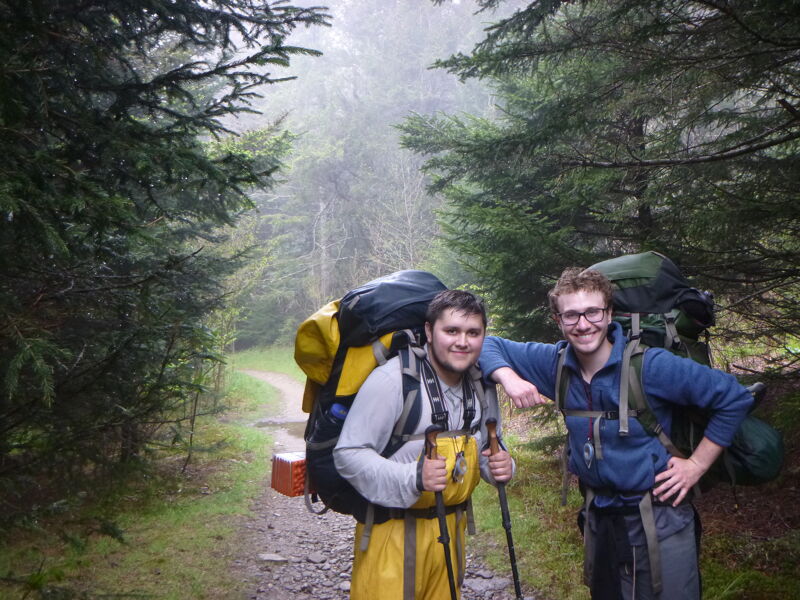
 Backpacking
 -
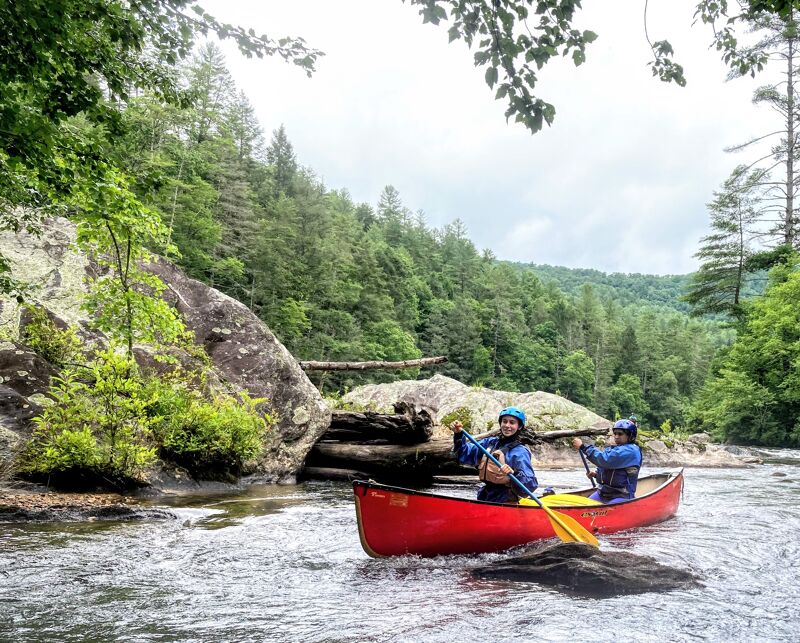
 Canoeing
 -
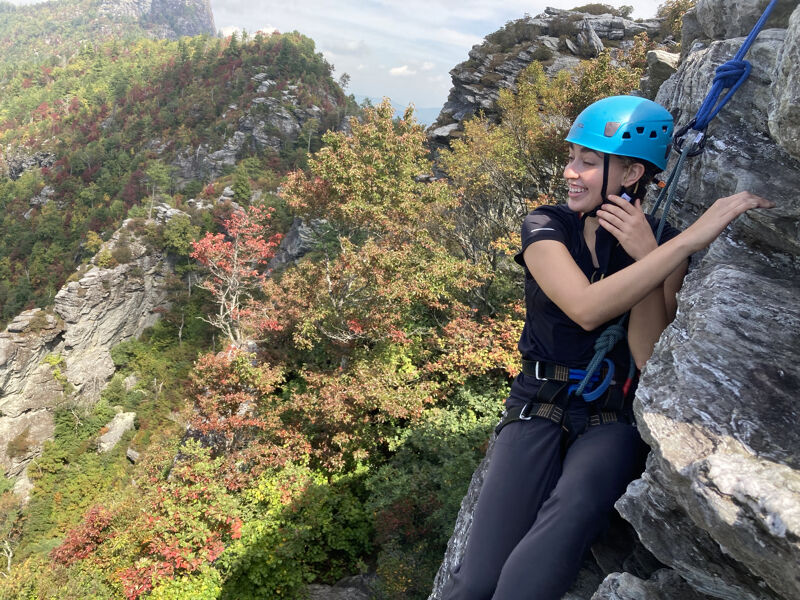
 Rock Climbing
Setting & Location
-
 Forest
 -
 Mountains
 -
 River
River -
 Course Start Location: Asheville NC
 -
Course End Location: Asheville NC
Students Can Earn
-
College Credit
-
Wilderness First Aid
Session Details
3 sessions are available for this course

What You'll Learn
Welcome to Pathfinder; here’s your reset button. As in the field, so in life: challenge yourself to dream big, then identify your steps to get there and start moving. We’ll put the map in your hands. You chart your path.

What You'll Do
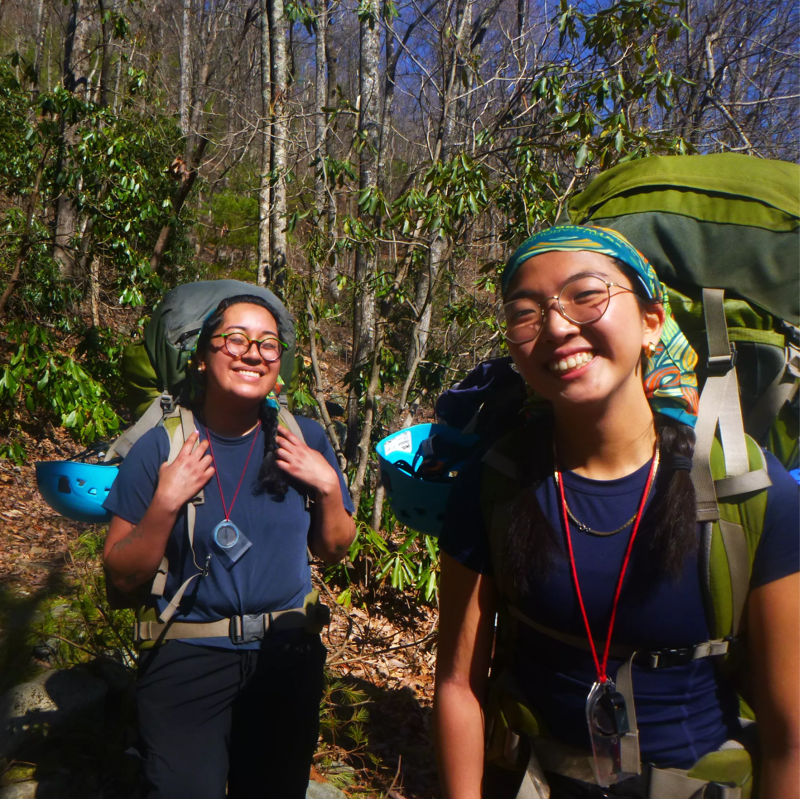
Backpack through the rugged wilderness where you will navigate the trails, paddle through rapids, climb rock faces, and camp under the stars. Break up the days with goal-setting exercises, service initiatives, and Wilderness First Aid certification.


Where You'll Be
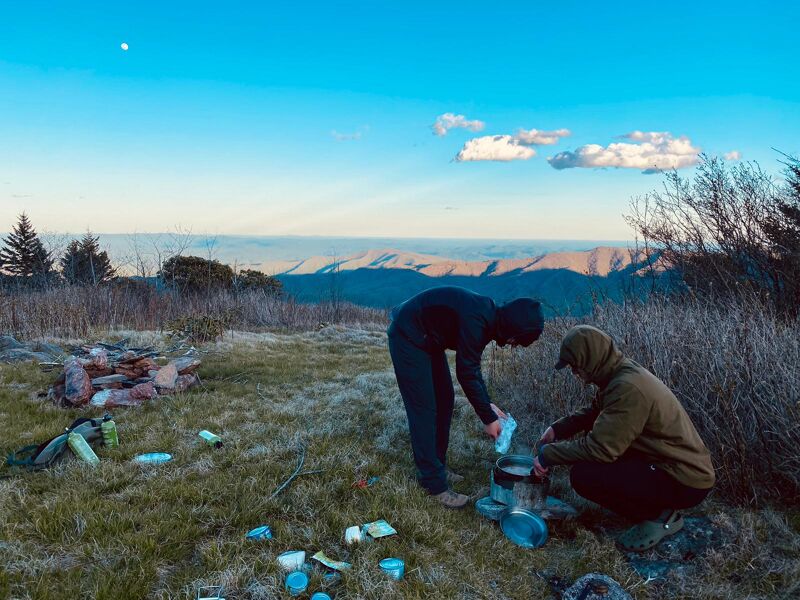
Venture into the ancient and misty Blue Ridge Mountains of North Carolina. With your crew by your side, you’ll discover rushing rivers, hidden waterfalls, and forests brimming with wildlife in one of North America’s most biodiverse regions.

Why It Matters
Sometimes you need to disrupt your routine to find your path to success. Discover your unique strengths while navigating new landscapes and new relationships. Communication skills and teamwork provide lessons that reach far beyond your Outward Bound course, and time away offers clarity for what you want to do next.
/
A balanced experience.
This course balances adventure with time to reflect, skill building with setting goals for what’s ahead. You have so much potential; we’ll help you uncover it!
A new chapter.
We get it, launching into a new life stage can be exciting, confusing, fun, and a little scary at times. And we know you have a lot of options to help you navigate that; join us for the backcountry option: grab a map and compass and navigate stunning landscapes, new connections, and the awesome realization that there is more in you than you know.
An experience just for you.
Pathfinder expeditions meet you where you are to focus on increasing self-knowledge, strengthening decision-making skills and processes, and setting goals – all life skills to help you chart a path forward with passion and confidence.
Life on Course
Set foot on a path to self-discovery as you explore some of the oldest mountains in the world.
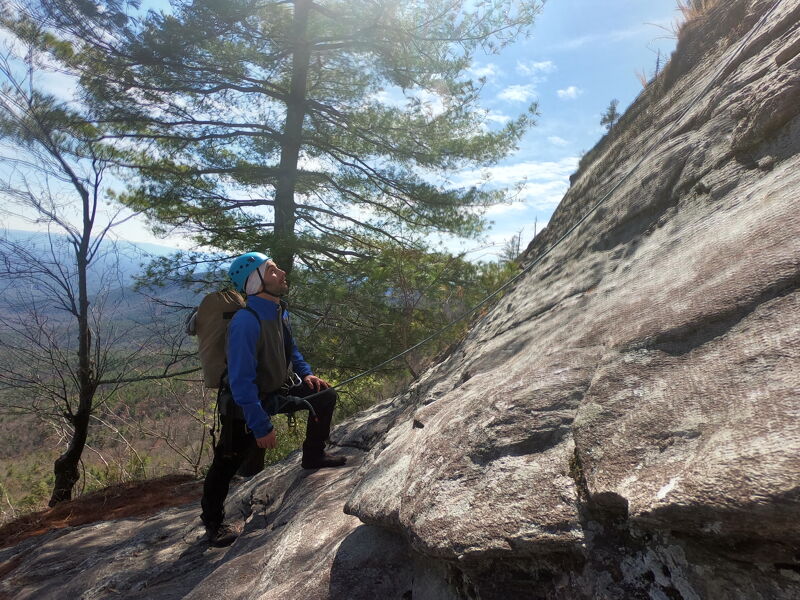
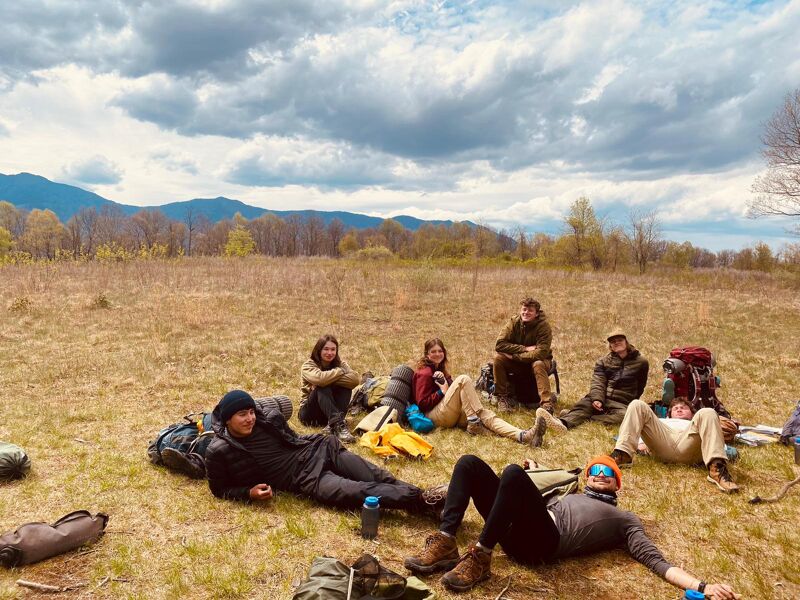
This 30-day expedition leads you on a journey through the Blue Ridge Mountains and into a deeper understanding of yourself. Work with your crew to backpack through lush forests, navigate rushing rivers by canoe, build trust by belaying one another while rock climbing, lead service initiatives, and earn your Wilderness First Aid certification. Throughout the course, you’ll participate in life coaching sessions and structured goal-setting activities that help clarify priorities, strengthen character, and define a new self-directed path.
/
Sample Itinerary
Here’s an example of what your course itinerary might look like. The actual plan will depend on permits, weather, group skills, and instructor evaluation.
Swipe on table below to view more.

30-Day Course
| Day 1 | Course start |
| Day 2 | Ropes course and team-building initiatives |
| Day 3-6 | Backpacking training expedition: navigation and camping skills, exploration of personal strengths, first coaching session, and introduction to goal setting |
| Day 7-9 | Rock climbing, belaying, rappelling, and multi-pitch climbing |
| Day 10-13 | Backpacking main expedition: advanced navigation, group decision-making, and second coaching session |
| Day 14-16 | Wilderness First Aid certification |
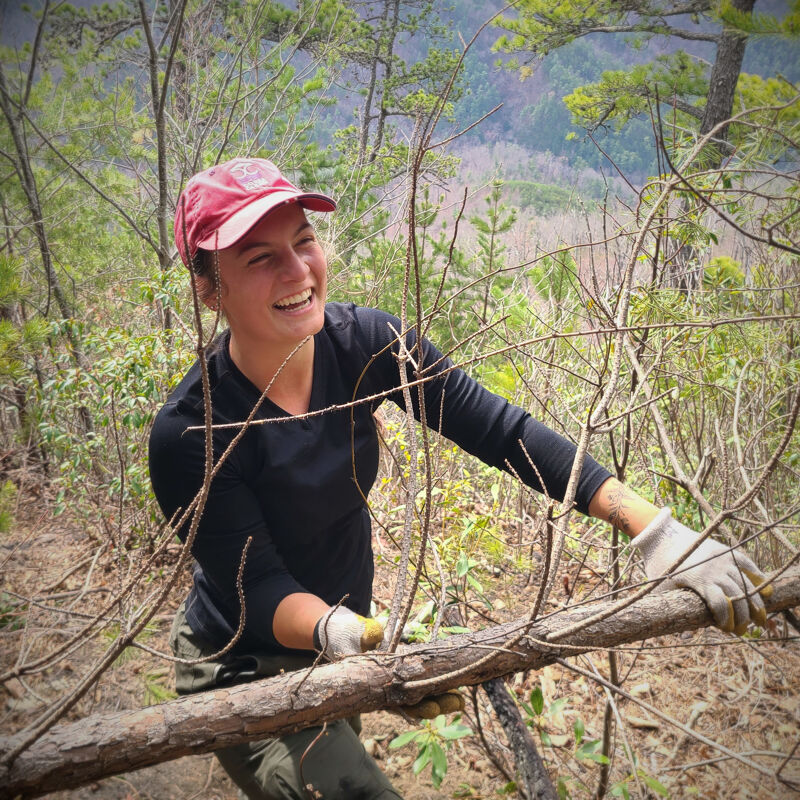
| Day 17 | Service project: trail-building or work with community service organization |
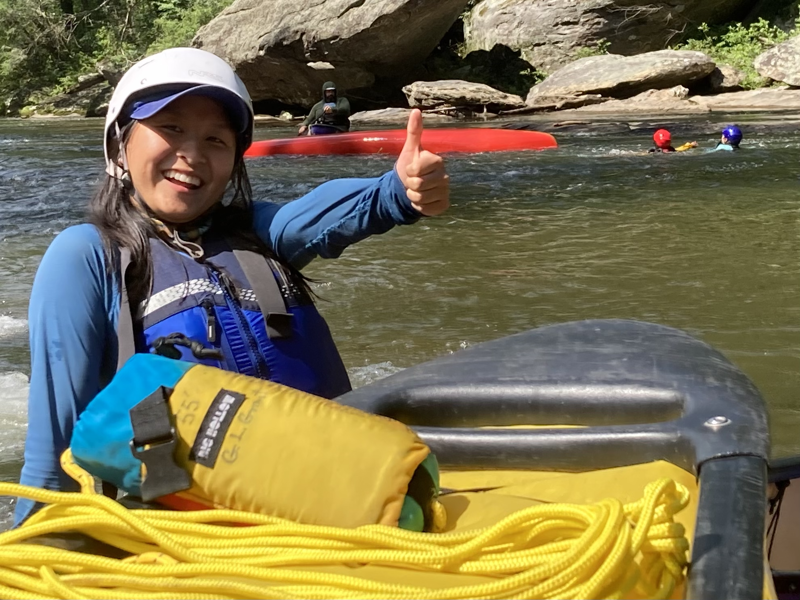
| Day 18-21 | Whitewater canoeing: paddle strokes, boat maneuvers, rapid scouting, and self-rescue |
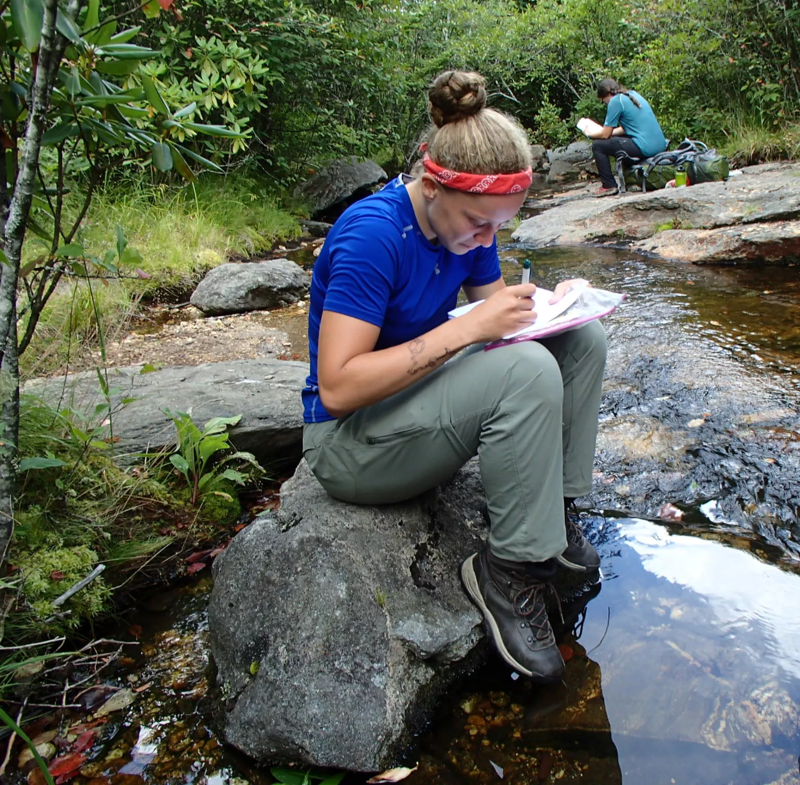
| Day 22-25 | Solo, third coaching session, and goal setting for post-course |
| Day 26-28 | Backpacking final expedition: leadership and independent student travel |
| Day 29 | Personal challenge event, clean and de-issue gear, support phone calls, and graduation ceremony |
| Day 30 | Course end and transportation to airport |
FAQs
What are your essential eligibility criteria?
Our Essential Eligibility Criteria shares what participants must be able to do during course. Full disclosure of all health and medication information is required during the admissions process.
Where does course start and end?
All Blue Ridge Mountains courses start and end at Asheville Regional Airport (AVL). A North Carolina Outward Bound School (NCOBS) representative will meet participants at baggage claim for check-in. Transportation is provided between Asheville Regional Airport and the course area at course start and end.
How is Pathfinder different from other Outward Bound courses?
A big part of what makes a Pathfinder course unique is goal setting. Before course, students are asked to identify someone from their support system (parent, friend, coach, teacher, etc.) that can help them stay committed to their goals once they’re home. Then, before the course ends, students will participate in a call with that support person and their Outward Bound instructor. The call will highlight any lessons learned on course, identify goals for the future, and determine how to best incorporate all of this newfound knowledge into their lives at home.
What is solo?
A little more than halfway through course, students will participate in a reflection period called Solo. During this time, Instructors assign students their own individual spaces within a designated area. These sites are secluded while remaining within hearing distance of other group members and Instructors for safety. Students will be given all the necessary gear, food, water, and skills to enjoy solo time. Solo is a great opportunity for students to relax, recharge, and reflect on their course after having long days of strenuous group activities. Instructors will be monitoring students closely during this experience.


