Outward Bound USA Home
What Does a Course Look Like?
A clear, honest look at the Outward Bound experience—what you’ll do, who you’ll be with, and how we support you—so you can feel ready and excited for your journey.

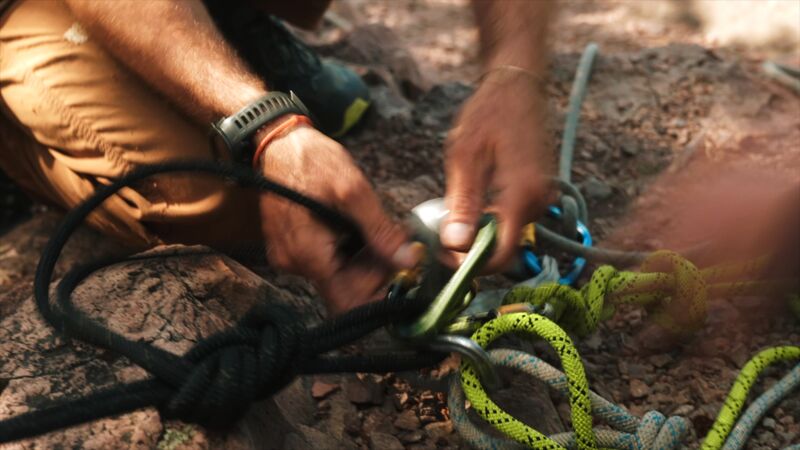
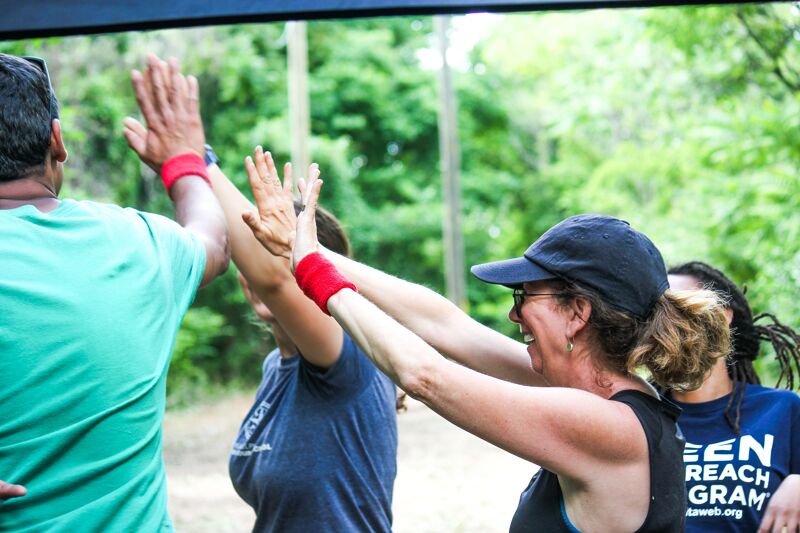
On an Outward Bound expedition, your crew travels through a natural environment—backpacking, canoeing, sailing, or climbing—while building technical skills (navigation, camp craft) and team skills (communication, leadership, problem-solving). Instructors design an intentional progression of challenge and support so students can stretch safely and discover what they’re capable of.

You’ll join a small, diverse crew (typically 6–12 students) led by a team of trained Instructors. Instructors bring extensive field and facilitation experience and hold certifications like Wilderness First Responder and CPR. Their role is to teach, guide, and manage risk while gradually handing students more responsibility as the course progresses.
Most days start with breakfast, taking down shelters, planning the route, and moving—hiking, paddling, sailing, or climbing—toward your next campsite. Along the way are lessons, breaks, and lunch; evenings are for setting up camp, cooking, reflecting, and planning tomorrow. If it rains? Same routine—with rain gear and extra teamwork.
Outward Bound courses are intentionally designed to progress as students grow in skills and confidence.
In the Training phase, Instructors are highly present—teaching core skills and shaping a supportive crew culture.
During the Main phase, students step forward to take on leadership roles and apply their skills to bigger challenges, with Instructors offering coaching and guidance.
By the Final phase, crews take ownership of their experience, navigating, making decisions, and caring for one another while Instructors remain close by for safety and mentoring. Many expeditions also include Solo, a structured time for personal reflection, and conclude with a Personal Challenge Event (PCE) that celebrates growth and achievement.
Is it safe?
Outward Bound courses take place outdoors and include activities that present risks that can be managed but not eliminated. Running our courses safely is central to our educational goals and our safety record is excellent. Our instructors not only identify and reduce risks but also teach students to assess and address hazards with preparation and care, rather than fear and avoidance. Students and their families participate in our safety systems by familiarizing students with the course description prior to the course and by filling out our application and medical forms completely. We regularly review our safety training systems with our peers and other industry experts and continually seek to create or adopt the most effective practices. Every course is equipped with the ability to get help in an emergency. For more information, visit our Risk Management page.
Living on Course (Food, Hygiene, Gear, Weather)
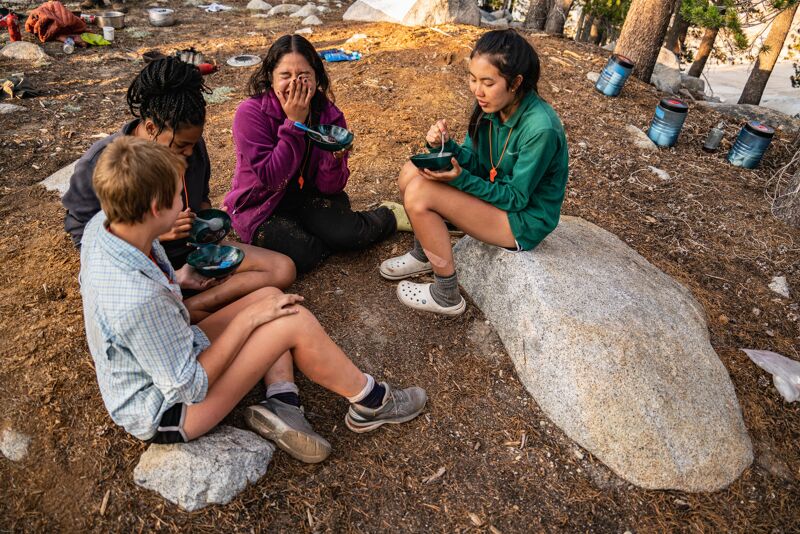
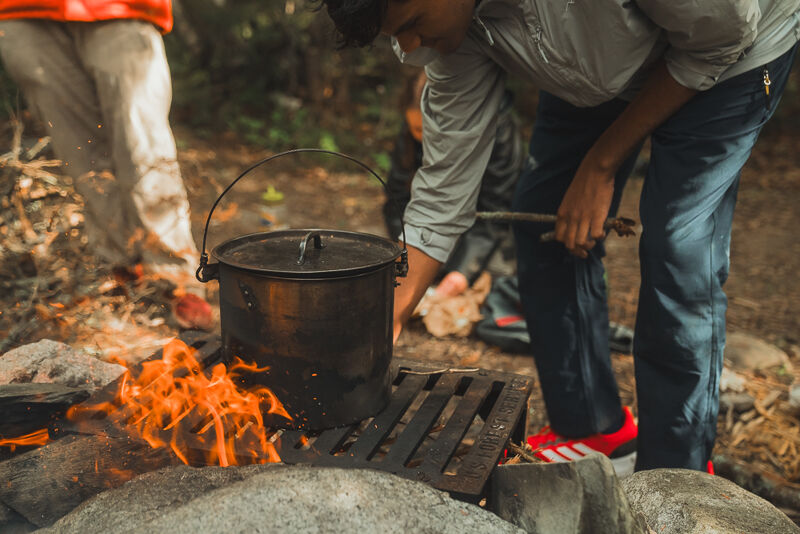
Food & Cooking: Crews cook simple, hearty meals on camp stoves and use hygiene systems for safe kitchens.
Hygiene & Bathroom: Expect daily handwashing, toothbrushing, and basic cleanup. Bathroom methods depend on the environment (latrines, cat holes, or other site-appropriate systems)—you’ll learn what to do and Leave No Trace practices. Expect no showers on expedition but plenty of basic self-care.
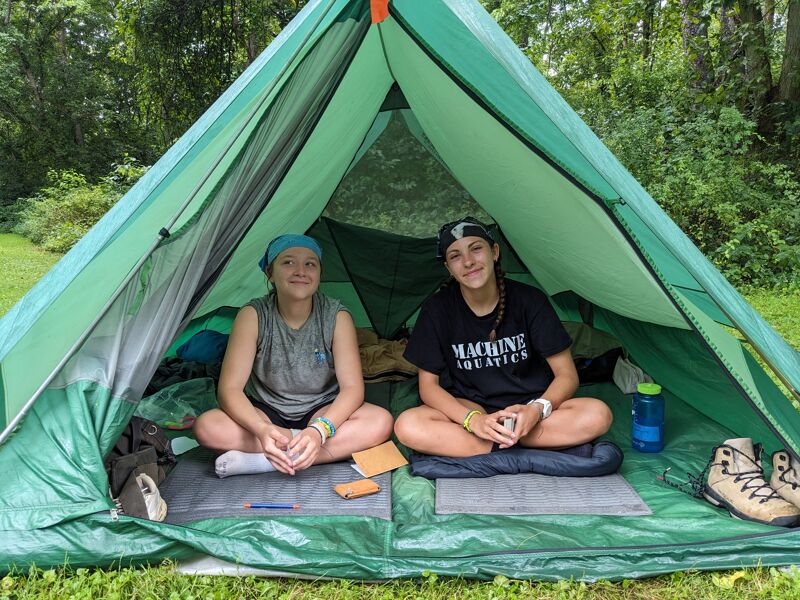
Sleeping & Shelter: You’ll sleep under tarps or in tents; good shelter pitching keeps you dry and comfortable.
Weather: We travel in real conditions; with the right layers and planning, you can be safe and comfortable in sun, rain, wind, or cold.
Inclusion & Accessibility
You do not need to be “outdoorsy.” We welcome a wide range of backgrounds and experience levels, tailor activities to the group, and make sure everyone feels seen, supported, and ready to participate.
Preparing — Mind and Body
Physical: Aim for regular movement—walking, hiking, cycling, or body-weight strength—several times per week. Break in new boots with short local hikes.
Mental: Practice being part of a team, living with fewer comforts, and being away from your phone. Journaling, basic cooking, and short local adventures can help.
Gear: Many items can be borrowed or sourced second-hand; Course Advisors provide specifics and prep guidance.
Will I be able to contact home?
While you’re in the field, communication is limited by design; families use the basecamp emergency number for urgent needs.
Phones and personal tech stay off course so you can fully engage with your crew, the environment, and yourself.
Deeper connections: Without screens, students build real relationships and learn to communicate face-to-face.
Presence and focus: Being offline helps you notice more, reflect, and be present in the moment.
Confidence and independence: Students discover what they’re capable of without relying on technology.
Fun and adventure: The best memories come from shared experiences, not social media posts.
Learn Our Methods/
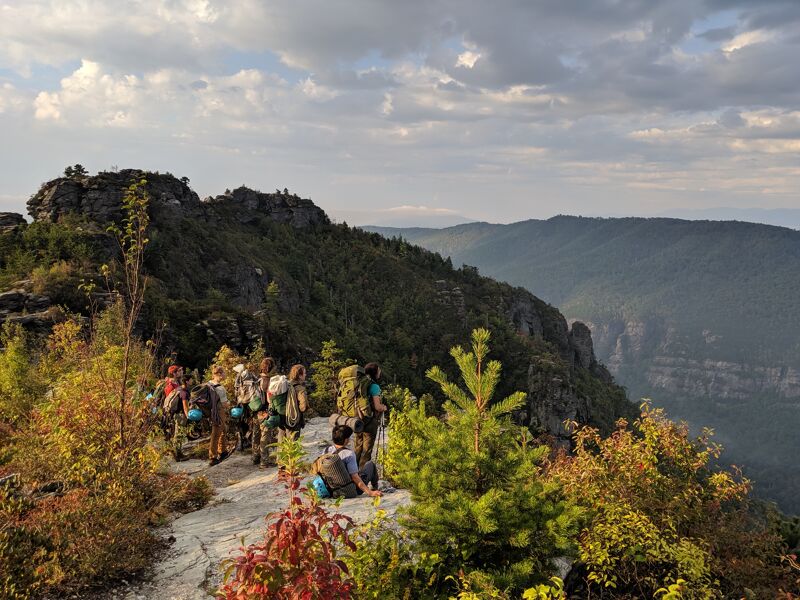
Blue Ridge Mountains, NC
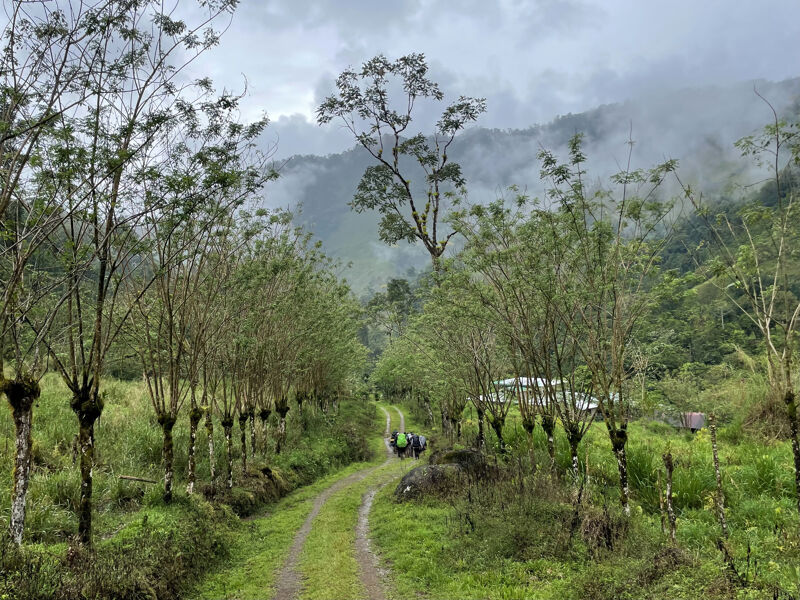
Central America

Colorado Rockies
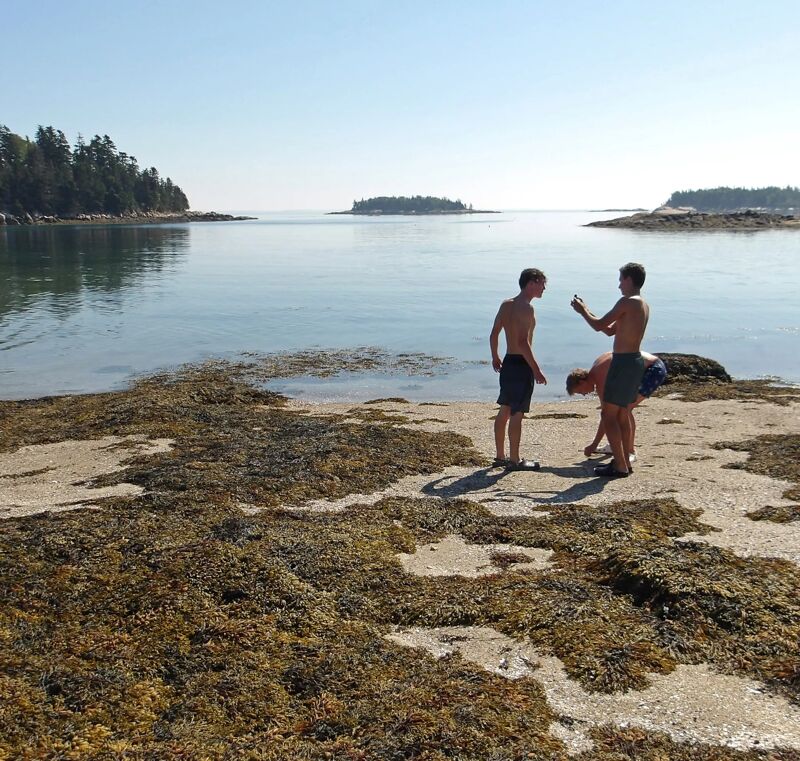
Maine
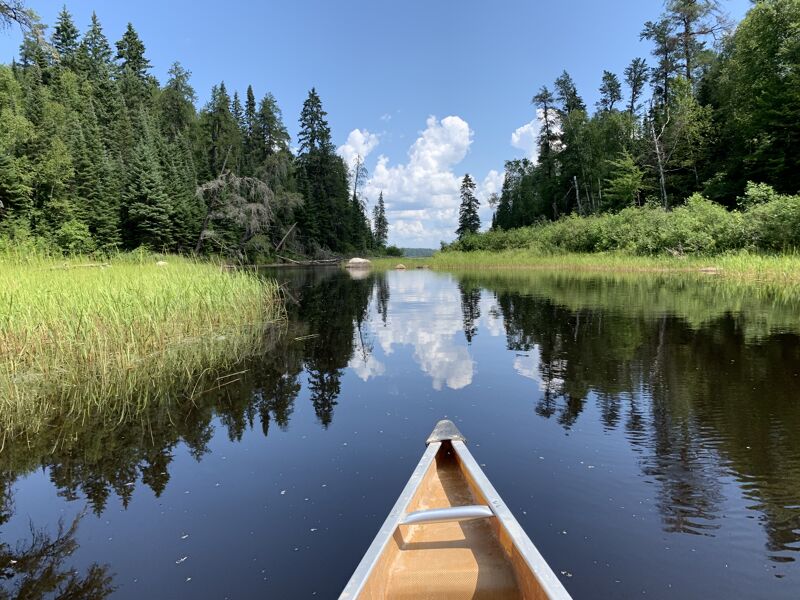
Boundary Waters, MN
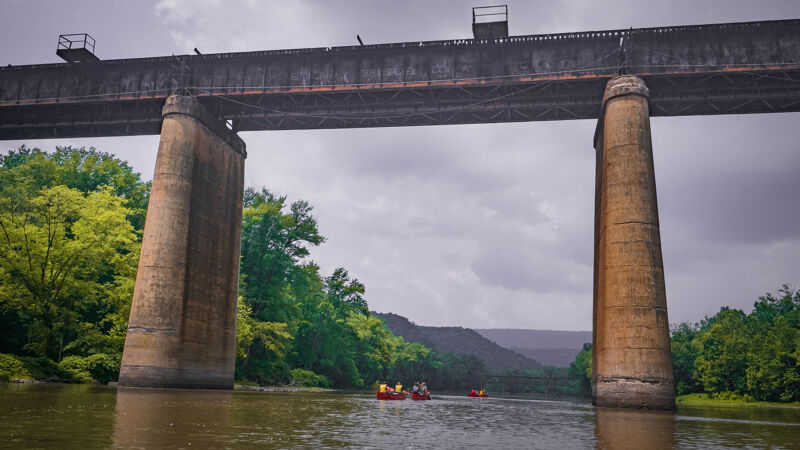
Potomac River
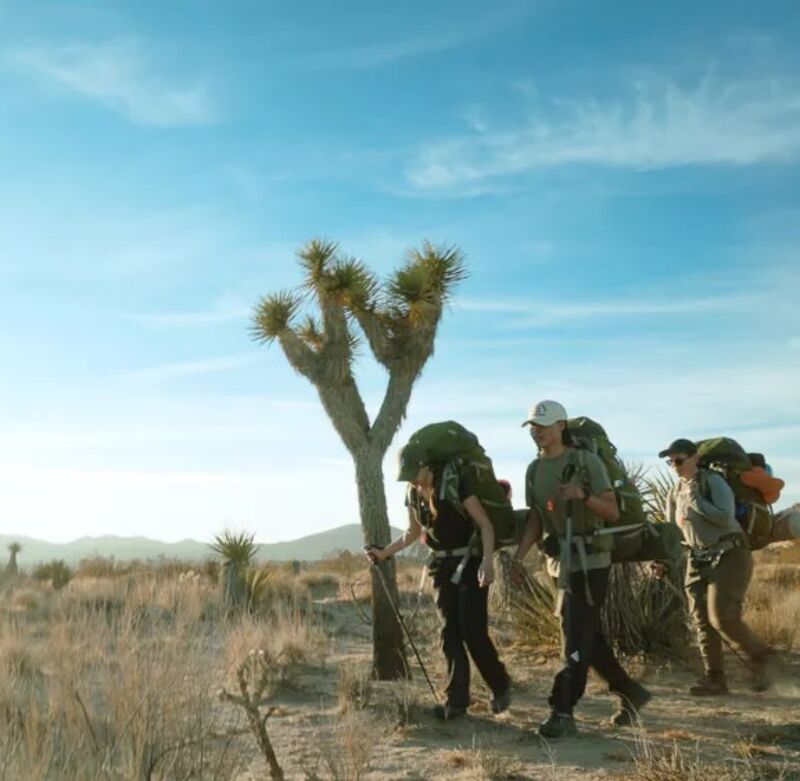
California
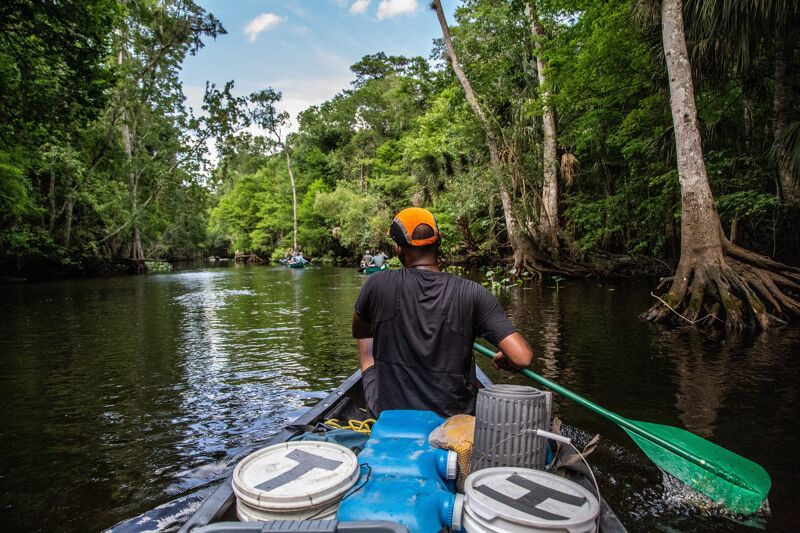
Florida
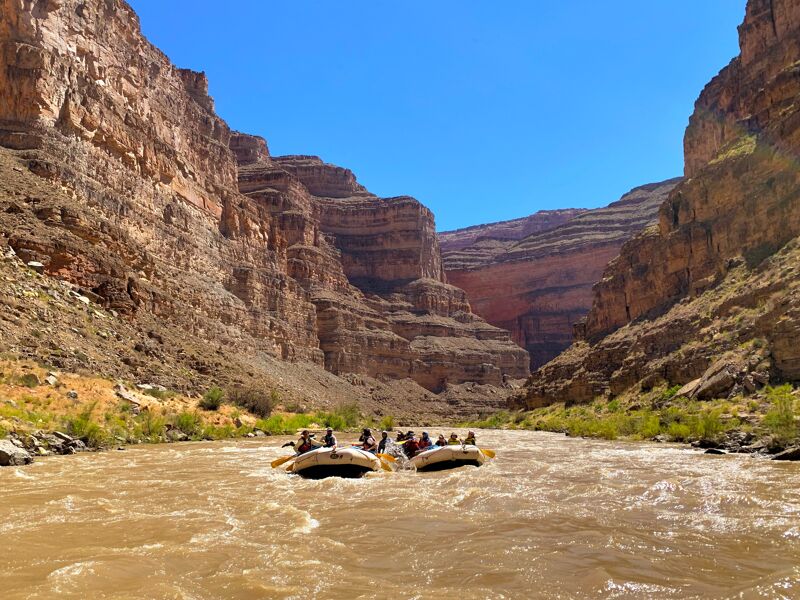
Canyonlands, UT
Patagonia
Bahamas
Appalachian Trail






 play
play